Flat Roofing Built For Florida
Rain, Heat, Drainage & Storm Season
TPO, modified bitumen, BUR, and coating systems for residential and commercial flat roofs across South Florida, Southwest Florida, and Tampa Bay. Installation, repair, and drainage solutions.
Get Your Free Roof Estimate
Free 60-second request — no obligation
- Free on-site roof inspection & assessment
- Written estimate — no hidden fees
- 18 years. Licensed & insured crew
- Response within 24 hours — no pressure
Warning Signs Your Flat Roof Needs Attention
Flat roofs in Florida give you specific signals before a minor issue becomes a major one. Knowing what to look for — and acting on it — is the difference between a repair and a replacement.
Standing Water After Rain
Water remaining on the roof surface more than 48 hours after rain is a drainage problem. Ponding accelerates membrane deterioration and adds structural load.
Interior Water Stains
Ceiling stains or discoloration indicate water has already entered the building envelope. The entry point on a flat roof isn't always directly above the stain.
Blistering or Bubbling
Air and moisture trapped beneath the membrane create bubbles that crack under foot traffic or UV exposure, opening the roof to direct water intrusion.
Membrane Cracks or Splits
Visible cracks in TPO seams or modified bitumen surfaces are direct entry points for water. Florida's thermal cycling stresses seams over time.
Granule Loss
Granule shedding from modified bitumen or BUR surfaces signals UV-related surface degradation. You'll often see granules accumulated in drains or at downspouts.
Sagging or Deflection
Visible drooping of the roof surface indicates drainage problems or potential structural issues beneath the membrane. Don't wait on this one.
Flashing Separation
Flashing pulling away from walls, curbs, HVAC units, or penetrations is one of the most common flat roof leak sources in Florida.
Rising Energy Bills
Damaged or saturated flat roof insulation loses effectiveness quickly. An unexplained jump in cooling costs can indicate moisture infiltration in the roof assembly.
Flat Roof Systems We Install & Service
Not every flat roof is the same system. We work with all common low-slope roofing materials — and we choose the right one based on your building type, budget, and what's already on the roof.
TPO Membrane
Thermoplastic polyolefin with heat-welded seams. Popular for its UV resistance, energy efficiency, and durable seam bond. Common on both commercial and residential flat roofs in Florida.
Modified Bitumen
Factory-manufactured asphalt sheet product applied in one or two plies. Durable in Florida heat and provides reliable performance in high-humidity conditions.
Built-Up Roofing (BUR)
Traditional multi-layer system alternating bitumen and reinforcing plies. Used on commercial projects requiring maximum durability and proven long-term performance.
Silicone Roof Coating
Fluid-applied system for existing flat roofs with sound structure. Extends service life and improves UV resistance when the substrate is in appropriate condition.
Acrylic Roof Coating
Water-based reflective coating for suitable substrates. Helps manage heat gain on low-slope roofs. Requires a sound, dry substrate — not appropriate for roofs with active moisture issues.
Flat Roof Repair
Membrane patch, blister repair, seam reseal, flashing replacement, or full section replacement — scope determined after full surface assessment.
Drainage Solutions
Scupper additions, interior drain clearing, secondary overflow drain installation, and slope correction to address ponding water and inadequate drainage.
Commercial Flat Roofing
Multi-unit residential, retail, warehouse, and office building flat roofing. TPO and modified bitumen are our primary systems for commercial applications.
Coating vs. Repair vs. Replacement
The right answer depends on your roof's current condition. We assess before recommending — and we'll tell you honestly when repair isn't the most cost-effective path.
| Situation | Coating | Repair | Replacement |
|---|---|---|---|
| Sound structure, aging surface | ✓ | ||
| Localized membrane failure | ✓ | ||
| Active leak — single source | ✓ | ||
| Blistering across large surface area | ✓ | ||
| Multiple active leaks — widespread | ✓ | ||
| Saturated insulation or wet deck | ✓ | ||
| Widespread surface degradation | ✓ | ||
| Age 15+ with documented wear | Consider | ✓ |
How A Flat Roof Project Gets Done Right
Whether it's a repair, coating, or full replacement — we follow the same disciplined process from assessment to completion.
Schedule Assessment
Contact us to schedule a no-cost flat roof assessment. We confirm your date and arrival window.
Full Surface Inspection
We walk the entire roof surface, check drainage points, inspect seams, penetrations, and flashing, and probe for moisture where indicated.
Written Findings
You receive a written summary of what we found and a clear recommendation — coating, repair, or replacement — with the reasoning behind it.
Clear Proposal
Scope of work, materials, and timeline in writing. No hidden costs, no pressure to proceed.
Installation or Repair
Work performed by our licensed crew. We handle drainage protection, edge details, and penetration flashing — not just the membrane surface.
Final Walkthrough
We walk the completed project with you, confirm drainage is clear, and answer any questions before leaving the site.
Recent Flat Roofing Work
A sample of recent flat roof projects — TPO installations, modified bitumen, repairs, and drainage work across South Florida and Tampa Bay.
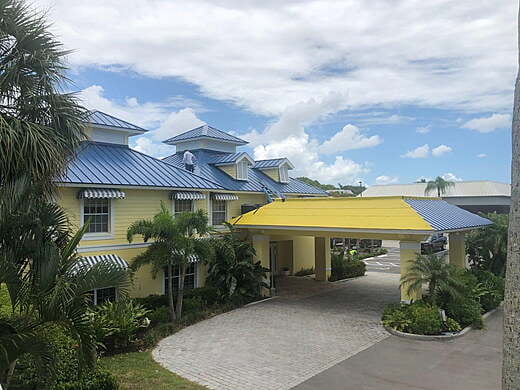 TPO Membrane
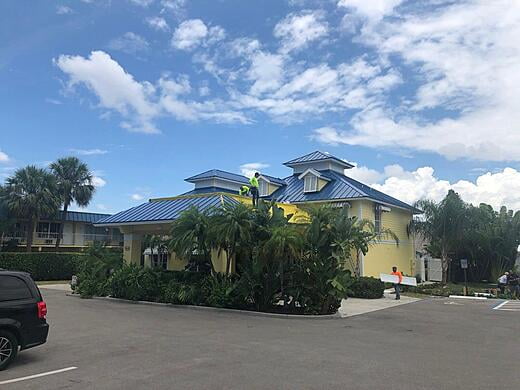 Flat Roofing
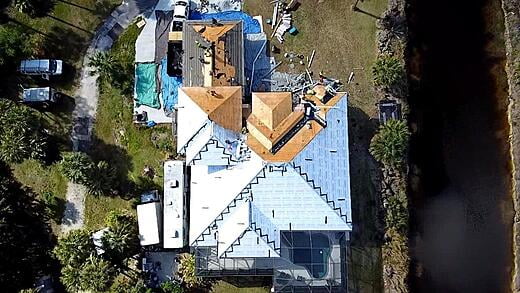 Modified Bitumen
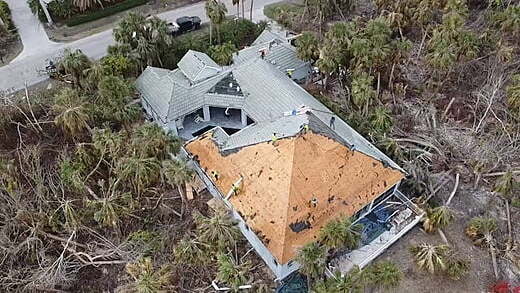 Commercial Flat Roof
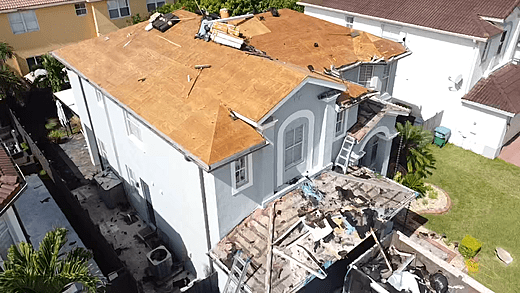 Flat Roof Repair
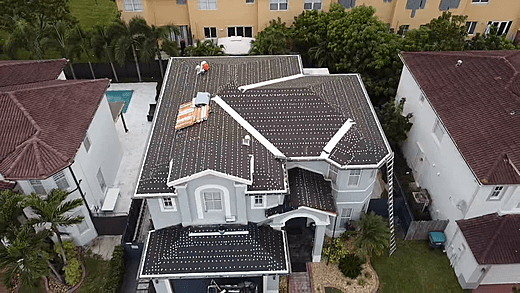 Low Slope Roofing
Flat Roofing In Florida: What Changes
A flat roof installed in Florida faces conditions that most roofing guides don't account for. These are the factors we pay close attention to on every project in this climate.
Drainage Is Non-Negotiable
Florida's rainfall volume makes drainage design the most critical element of any flat roof. Inadequate slope, blocked drains, and missing overflow protection are all problems we address at the design stage.
UV Degradation
Intense solar radiation breaks down membrane surfaces faster in Florida than in cooler climates. Reflective membranes and UV-resistant coatings reduce this wear rate significantly.
High Humidity
Moisture-laden air can infiltrate damaged membranes and degrade insulation below. Once insulation is saturated it loses R-value and creates conditions for structural damage.
Hurricane Wind Uplift
Flat roofs need positive attachment and wind-resistant edge metal details to resist uplift forces during tropical weather events.
Ponding Structural Load
Standing water adds significant structural load and sustained chemical stress to the membrane. Ponding areas require drainage correction, not just surface patching.
Salt Air Corrosion
Metal components — flashings, edge metal, fasteners, HVAC curbs — corrode faster near the coast. We specify appropriate materials for each property's exposure zone.
Thermal Movement
Wide temperature swings cause membrane expansion and contraction, which stresses seams and terminations over time. Proper installation details account for this movement.
Penetration Management
Commercial flat roofs often have multiple HVAC units, exhaust pipes, and conduit penetrations. Each one is a potential leak point and requires individual flashing attention.
Flat Roofing Across Florida
We install and service TPO, modified bitumen, BUR, and coating systems on residential and commercial flat roofs throughout South Florida, Southwest Florida, and the Tampa Bay region.
Not seeing your city? Call (888) 212-8481 — we serve many additional Florida communities.
Other Roofing Services
From flat to pitched, repair to replacement — we handle all roof types across Florida.
Tile Roofing
Clay tile, concrete tile, barrel tile, and S-tile installation and replacement for Florida homes.
→Metal Roofing
Standing seam, stone-coated steel, and panel systems for residential and commercial properties.
→Roof Repair
Leak repair, storm damage, tile replacement, flashing, and emergency tarping.
→Roof Inspection
Free roof inspections with photo documentation and written findings. No obligation.
→All Services
View the full range of roofing services we provide across Florida.
→Service Areas
South Florida, Southwest Florida, and Tampa Bay coverage map and city list.
→Flat Roofing Questions
Ready To Address Your Flat Roof?
Free written assessment. Residential & Commercial. South Florida, Southwest Florida, and Tampa Bay.