Free Roof Inspections For Florida
Leaks, Storm Damage & Roof Concerns
We document what we find — every section of your roof, photographed and explained in plain language. Whether you have an active leak, storm damage, or want to know your roof's condition before buying or selling, our written assessment gives you the full picture.
Get Your Free Roof Estimate
Free 60-second request — no obligation
- Free on-site roof inspection & assessment
- Written estimate — no hidden fees
- 18 years. Licensed & insured crew
- Response within 24 hours — no pressure
When Florida Homeowners Schedule an Inspection
Our inspection is useful any time you want an objective, documented look at your roof — whether there's an urgent problem or you're planning ahead.
Active Leak
Water stains on ceilings, drips during rain, or moisture in the attic. We trace the source and document the damage path.
After a Storm
Wind, hail, and falling debris can damage roofing systems in ways that aren't visible from the ground. We document everything found.
Pre-Purchase
Buying a home or investment property? Know exactly what you're getting before closing. Our written findings give you leverage at the negotiating table.
Pre-Listing
Sellers who disclose a clean inspection upfront close faster and at better prices. Find out what buyers will see before they hire their own inspector.
Annual Maintenance
Florida's climate — UV exposure, humidity, heat cycling, and storm season — degrades roofing faster than most states. Annual checks catch problems early.
Insurance Concern
If you have questions about your roof's condition, our photo documentation and written report may be useful when speaking with your adjuster or carrier.
After a Repair
Verify that previous work was completed correctly. We'll document the repaired areas and flag anything that needs follow-up.
Aging Roof
Roofs older than 15 years benefit from a documented baseline. Know what's still performing and what's approaching end-of-life.
What We Document On Every Inspection
We cover every accessible component of your roof system — not just the surface. Each item is photographed and noted in the written report.
Roofing Surface
Tile condition, metal panel integrity, membrane status, granule coverage — the primary weather barrier documented section by section.
Fasteners & Clips
Exposed fasteners, clips, and anchoring systems. Loose or missing fasteners are the most common cause of wind-driven water intrusion in Florida.
Flashing Systems
Step flashing, counter flashing, valley flashing, and drip edge. Flashing failures cause a majority of roof leaks — we examine every transition point.
Ventilation
Ridge vents, soffit vents, turbines, and attic airflow. Poor ventilation accelerates material degradation and is a common cause of moisture buildup.
Gutters & Drainage
Slope, seams, downspout connections, and standing water potential. Drainage failures drive water back under roofing materials.
Ridge & Hip Caps
Cap tile, ridge panel, or hip flashing condition. These high-exposure areas take the most wind stress and are often the first to fail.
Skylights & Vents
Skylight seals, plumbing vent boots, HVAC penetrations, and any roof penetration points where water can enter if the seal fails.
Fascia & Soffits
Rotting wood at the eave line is often the visible result of a slow, undetected roof leak. We document the condition of all perimeter components.
Underlayment
Where accessible, we assess the secondary water barrier beneath your roofing surface — especially critical in Florida's high-humidity environment.
Debris & Biological Growth
Moss, algae, lichen, and debris accumulation. These accelerate material breakdown and can trap moisture against roofing surfaces.
Parapet Walls
On flat or low-slope roofs, parapet cap condition and waterproofing transitions are critical. We examine all vertical wall-to-roof connections.
Structural Indicators
Sagging, deflection, and deck movement visible from the surface or attic access. Structural concerns are flagged and described in the written report.
What You Receive After the Inspection
The inspection itself takes 45–90 minutes depending on roof size and access. You'll have everything you need to make an informed decision — with no pressure to act on it with us.
Photo Documentation
Every problem area photographed with context. A visual record of current conditions you can share with your insurance carrier, contractor, or buyer's agent.
Written Findings Report
A clear, plain-language summary of what we found — what's performing well, what needs attention soon, and what we'd recommend addressing immediately.
On-Site Walkthrough
We walk you through what we saw before we leave. No jargon. We explain what each issue means, what caused it, and what the repair options look like.
Repair Scope & Estimate
If any repairs are needed, you'll receive a written estimate on the same visit — itemized so you know exactly what each item covers and why it's included.
No Obligation to Proceed
The inspection and written report are completely free. There is no commitment to hire us for any repairs. Take the report and use it however is most useful to you.
Adjuster Documentation
If storm damage is involved, our photos and written findings may be useful when speaking with your adjuster. Coverage decisions are made by your carrier based on your policy terms and their own assessment.
Which Inspection Do You Need?
Most homeowners need a general condition inspection. Here's how the common inspection types differ so you can schedule the right one.
| Inspection Type | Best For | What It Covers | Typical Use |
|---|---|---|---|
| General Condition | Annual check, aging roof, peace of mind | Full roof surface, drainage, flashing, vents, penetrations | Know what's performing and what to budget |
| Leak Source | Active drip or stain inside the home | Focused on the leak path — tracing water from entry to exit | Identify repair needed before damage spreads |
| Storm Damage | After a hurricane, tropical storm, or high-wind event | Wind uplift, debris impact, flashing displacement, tile breakage | Documentation of storm-related damage |
| Pre-Purchase | Home buyers | Comprehensive — full system from surface to attic where accessible | Know condition before closing; use findings in negotiations |
| Pre-Listing | Sellers preparing a home for market | Everything a buyer's inspector will check | Fix problems before they become deal-breakers |
| Post-Repair Verify | After work by any contractor | The specific repaired areas plus surrounding components | Confirm the work was done correctly and completely |
How the Inspection Works
From your first call to your written report — here's exactly what to expect.
Schedule
Call (888) 212-8481 or submit the form on this page. We'll confirm a date and time window — typically within 1–3 business days. Saturday appointments available.
Roof Access & Walk
Our inspector arrives on time, reviews your concerns, and accesses the roof. We inspect every section — not just the area you're worried about.
Photo Documentation
Every problem area, every transition point, and the overall condition of each roof section is photographed. These images become part of your permanent report.
On-Site Walkthrough
Before leaving, we walk you through what we found. We answer your questions, explain what each issue means, and tell you what we'd recommend — and why.
Written Report & Estimate
You receive a written findings summary plus an itemized repair estimate if any work is needed. No obligation. No pressure. Just information.
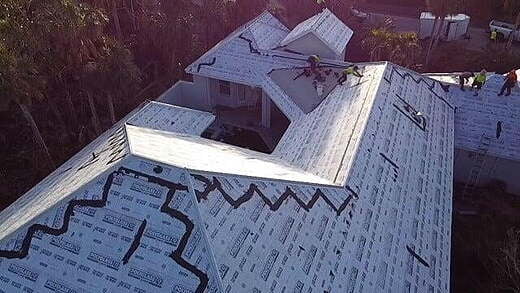
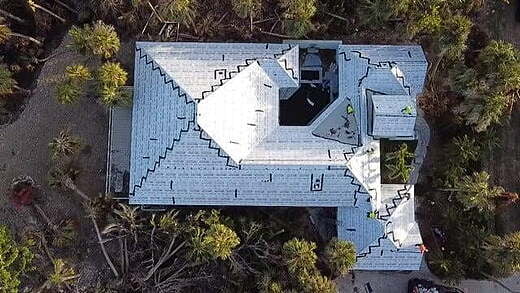
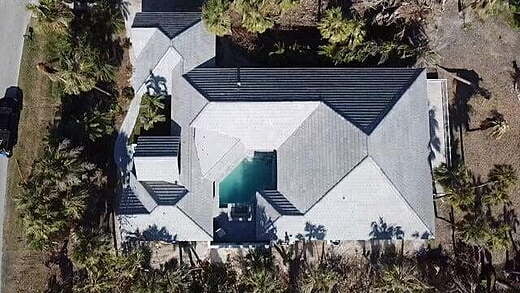
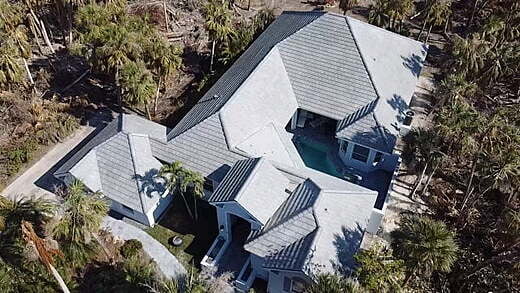
What We Find During Florida Roof Inspections
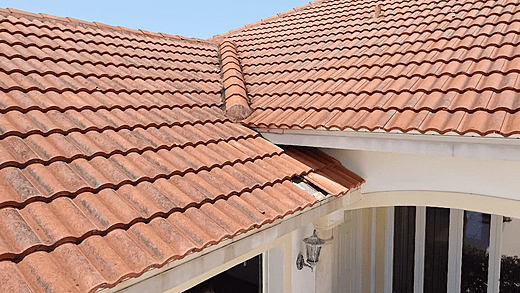
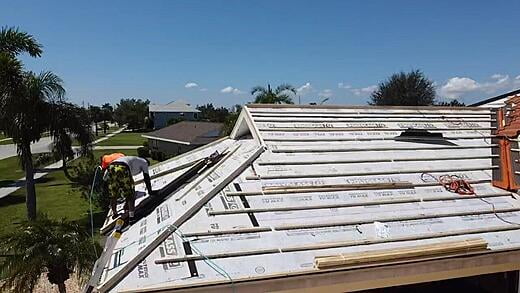
These are the types of issues we document on inspections across Miami, Tampa, Fort Lauderdale, Naples, and surrounding areas.
Why Florida Roofs Need More Frequent Inspection
Florida's climate puts more stress on roofing systems than almost any other state. An inspection that would be optional in a moderate climate is often essential here.
Extreme UV Exposure
Year-round intense sun degrades sealants, caulks, flashings, and roofing membranes faster than anywhere in the continental U.S. UV damage is invisible until it leaks.
Thermal Cycling
Roof surfaces routinely exceed 160°F in Florida summers. Daily expansion and contraction cycles stress fasteners, seams, and adhesive bonds over time.
Humidity & Moisture
High year-round humidity promotes mold, algae, and wood rot. Small penetrations that would be minor in a dry climate become active leak paths in Florida.
Hurricane Season
June through November brings storm risk across all of South Florida and the Gulf Coast. Even storms that don't make direct landfall can drive 60–80 mph wind gusts through the area.
Vegetation & Debris
Florida's fast-growing trees deposit organic debris that traps moisture and promotes biological growth. Overhanging branches are a direct physical threat to tile and metal roofing.
Florida Building Code
Florida has among the strictest wind-uplift requirements in the country. Older roofs installed before post-Andrew code updates may not meet current standards and are worth documenting.
Roof Inspection Service Areas
We perform free inspections across South Florida, Southwest Florida, and the Tampa Bay area — typically scheduled within 1–3 business days.
Roofing Services We Provide
If your inspection reveals a problem, we handle repairs and replacements. One call covers the full scope.
Roof Repair
Leak repair, storm damage, broken tile replacement, flashing repair, and emergency tarping.
→Tile Roofing
Concrete and clay tile installation, re-roofing, and tile repair across South Florida.
→Metal Roofing
Standing seam, stone-coated steel, and exposed-fastener metal roofing systems.
→Flat Roofing
TPO, modified bitumen, BUR, and roof coatings for flat and low-slope roof systems.
→Roof Inspection Questions
Schedule Your Free Roof Inspection Today
Know what's on your roof. Photo documentation, written findings, on-site walkthrough — no cost, no obligation. Available Mon–Sat across South Florida, Southwest Florida, and Tampa Bay.