Tile Roofing Built For Florida Heat, Rain & Hurricane Season
Reliable Roofing of Florida installs and repairs clay tile, concrete tile, barrel tile, flat tile, S-tile, mitered tile, and complete tile roofing systems for homeowners across Miami, Tampa, and surrounding Florida areas.
Get Your Free Roof Estimate
Free 60-second request — no obligation
- Free on-site roof inspection & assessment
- Written estimate — no hidden fees
- 18 years. Licensed & insured crew
- Response within 24 hours — no pressure
Why Tile Roofing Is One Of Florida's Most Popular Roof Systems
Tile roofing has long been a popular choice for Florida homeowners because it offers premium curb appeal, strong water shedding, long-term durability when properly installed, and a timeless look for coastal, Mediterranean, Spanish-style, and luxury homes. The right system and installation details matter significantly in Florida's climate.
Built For Florida Heat
Tile roofing systems — clay and concrete — are designed to perform in hot, humid climates. The natural air gap between tile and the underlayment can support ventilation depending on the installation and attic system. Results vary by property and installation details.
Strong Water Shedding
When installed properly with correct underlayment, flashing, valleys, ridge caps, and penetration seals, tile roofing systems are designed to shed Florida's heavy rainfall effectively. The full system — not just the tile — determines performance.
Premium Curb Appeal
Clay tile, concrete tile, barrel tile, S-tile, and flat tile profiles add architectural character that complements Mediterranean, Spanish, coastal, and luxury Florida home styles. HOA communities frequently favor tile roofing for its consistent, premium appearance.
Long-Term Roof System Value
Tile roofing is designed for long-term performance when installed with quality underlayment and proper system details. The tile itself may outlast the underlayment beneath it — which is why periodic professional inspection is recommended, particularly as the roof ages.
A Great Tile Roof Starts Below The Tile
The visible tile is only part of the system. The underlayment, flashing, valleys, decking, fasteners, ridge caps, hip caps, roof penetrations, and ventilation details determine how the roof performs during Florida rain and storm season. A professional inspection evaluates the full system — not just the surface.
Underlayment Matters
The underlayment beneath the tile is the primary waterproofing layer. In Florida's climate, aging underlayment — even under tiles that still look good — can allow water intrusion. Inspection of accessible underlayment is a critical part of any tile roof evaluation.
Flashing & Valleys Matter
Flashing at chimneys, walls, vents, skylights, and roof penetrations, along with valley construction, are common leak points on tile roofs. Properly installed and maintained flashing is essential to long-term watertight performance.
Decking Inspection Matters
The roof decking beneath the underlayment provides the structural foundation. Water that has penetrated past the underlayment can cause decking damage. A thorough inspection includes looking for soft spots, staining, and deterioration where accessible.
Fastening & Layout Matter
How tiles are fastened and laid determines how the system performs under wind load. Florida building code requirements for fastening have evolved over time. Older tile roofs may have been fastened to earlier standards that differ from current requirements.
Ridge Caps & Hip Caps Matter
Ridge caps and hip caps at the peaks and angles of a tile roof are among the most exposed areas. They can crack, loosen, or fail over time — particularly after storm events. Inspection and maintenance of cap tiles is part of keeping the full system performing.
Roof Penetrations Matter
Plumbing vents, HVAC lines, electrical conduits, satellite mounts, and other roof penetrations are potential leak points on any tile roof. Proper sealing and flashing around each penetration — and periodic inspection — helps maintain the waterproof system.
Clay Tile, Concrete Tile, Barrel Tile, Flat Tile & S-Tile Roofing
Reliable Roofing of Florida works with all major tile roofing profiles common to South Florida, Tampa Bay, and Southwest Florida homes. The right tile system for your home depends on your structure, HOA requirements, budget, and performance goals.
Clay Barrel Tile
Clay barrel tile is known for its premium appearance, rich terracotta tones, and long-term durability when installed properly. A classic choice for Mediterranean, Spanish, and coastal Florida home styles.
Concrete Flat Tile
Concrete flat tile offers a clean, low-profile look with wide color availability. A widely used tile profile in Florida subdivisions and HOA communities that want a consistent appearance at a range of price points.
S-Tile & Mitered Tile
S-tile and mitered tile profiles offer the visual character of barrel tile with different dimensional profiles. Popular for homes that want a distinctive Mediterranean look with specific profile characteristics.
Flat Tile Roofing
Flat concrete or clay tile provides a streamlined, low-profile roof look. Often selected for modern or contemporary Florida homes and communities that want the durability of tile with a cleaner visual profile.
Tile Roof Repair
Tile roof repair may include replacing broken or cracked tiles, reseating displaced tiles, repairing flashing and valleys, addressing ridge and hip caps, and locating and sealing active leak points on the tile system.
Tile Roof Replacement
Full tile roof replacement involves removing the existing tile system, inspecting the decking, installing new underlayment to current standards, and installing a new tile system with proper fastening, flashing, and trim details.
Tile Roof Underlayment
Underlayment replacement can sometimes be completed without full tile replacement when the tile itself is in good condition. A professional inspection determines whether underlayment-only work is appropriate for a given roof.
Storm Damage Tile Roofing
Storm events can displace, crack, or break tile, damage flashing and valleys, and cause hidden underlayment issues. We can inspect visible storm-related tile roof damage and provide photos, findings, and honest next-step recommendations.
Do You Need Tile Roof Repair Or Tile Roof Replacement?
Understanding the difference can save you money and frustration. Reliable Roofing of Florida does not automatically push replacement. We provide an honest assessment of what the roof actually needs.
| Situation | Repair May Be Enough If | Replacement May Be Smarter If |
|---|---|---|
| Broken or missing tiles | Isolated damage, underlayment intact | Widespread tile damage or movement |
| Roof leak | Single source identified, underlayment OK | Multiple leak points, failed underlayment |
| Older tile roof | Tile in good shape, underlayment still sound | Underlayment aging or failing across roof |
| Underlayment issues | Localized failure, tile reusable | Widespread underlayment deterioration |
| Storm damage | Limited tile displacement, no decking damage | Extensive damage to tile, underlayment, or decking |
| Repeated repairs | New leak source, isolated and repairable | Same areas leaking again despite prior repairs |
| Visible sagging or soft spots | Not applicable — structural evaluation needed | Structural inspection required before any decision |
| Widespread tile movement | Fastening issues only, underlayment OK | System-wide fastening failure with other damage |
How A Professional Tile Roof Project Should Be Handled
A tile roof project done correctly follows a clear process. Here is how Reliable Roofing of Florida approaches tile roofing work for Florida homeowners.
Free Tile Roof Inspection
We start with a free inspection of your tile roof — including tile condition, visible underlayment, flashing, valleys, ridge and hip caps, penetrations, and gutters — and document what we find.
Photos & Findings
We photograph findings and provide a clear summary of what we observed — what looks good, what needs attention, and what is still within normal wear. No pressure, no obligation, just an honest picture of your roof.
Decking & Underlayment Review
For replacement projects, we inspect the decking for damage, rot, or soft spots, and review underlayment conditions. This informs the correct scope of work before a single tile is touched.
Material & Tile Profile Selection
We help you select the right tile profile, color, and material for your home — whether matching an existing tile or selecting a new system — factoring in HOA requirements, structure, budget, and aesthetic goals.
Professional Tile Installation Or Repair
Whether repair or full replacement, tile roofing work is completed with proper underlayment installation, flashing, fastening, ridge and hip cap detailing, and penetration sealing per Florida building requirements.
Final Cleanup & Review
After the tile work is complete, we clean up the site, walk you through the completed work, answer questions, and confirm the roof is ready for Florida weather before we leave.
Tile Roofing Considerations For Florida Homes
Florida's climate, building environment, and housing stock create tile roof considerations that are specific to this region. Here is what homeowners across Miami, Tampa, Fort Lauderdale, Naples, and surrounding areas should be aware of.
Hurricane Season
Tile roofing can be a strong option for Florida's wind environment when installed with proper fastening to current code. An inspection before or after storm season can help identify any tile displacement, flashing damage, or underlayment concerns.
Heavy Rain
Florida's heavy rain season puts the full tile roofing system to the test. Proper underlayment, flashing, valley construction, and penetration sealing all contribute to how the roof handles sustained or intense rainfall.
Salt Air & Humidity
Coastal Florida homes may see accelerated wear on metal components — flashing, fasteners, and accessories — due to salt air exposure. Periodic inspection of these details can support long-term tile roof performance.
Heat & UV Exposure
Florida's UV intensity and heat cycles affect all roofing materials over time. Tile itself is generally durable under these conditions, but the underlayment, sealants, and flashings may show wear that warrants inspection and maintenance.
Aging Underlayment
One of the most common tile roof issues in Florida is underlayment that has aged past its useful life while the tile above still looks fine. A professional inspection can evaluate visible underlayment conditions where accessible.
HOA & Community Requirements
Many Florida HOA communities have specific requirements for tile roofing profiles, colors, and manufacturers. We can work within those requirements and help you understand what options are available for your community.
Roof Weight & Structure
Tile roofing — clay and concrete — carries more weight per square foot than other roofing materials. Any replacement project that changes the tile type or profile should include a structural review to confirm the roof framing is appropriate for the selected system.
Flashing, Valleys & Penetrations
The tile itself rarely causes a tile roof leak. Flashing failures, valley deterioration, and unsealed or poorly sealed penetrations are among the most frequent causes of tile roof water intrusion — and the details most homeowners cannot see from the ground.
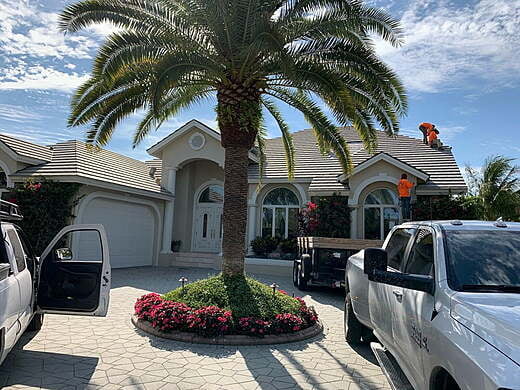
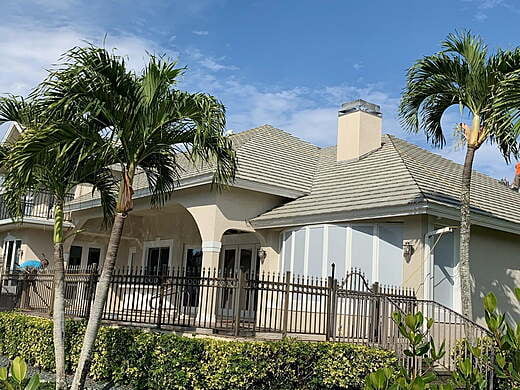
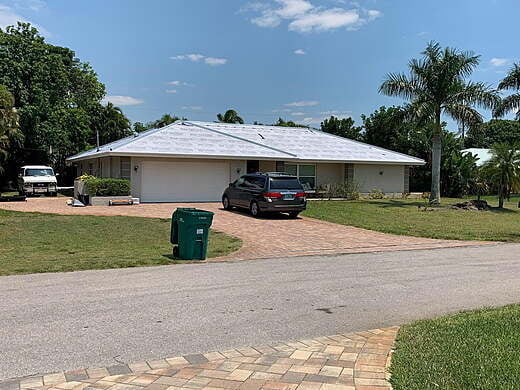
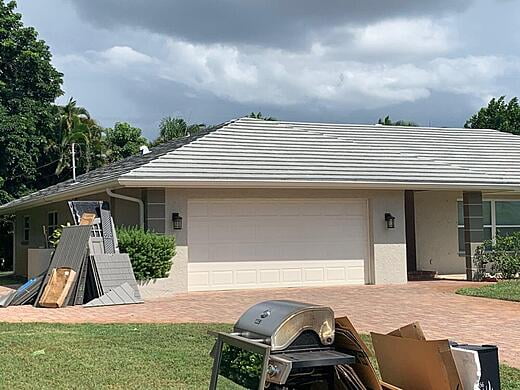
Real Tile Roofing Work Across Florida
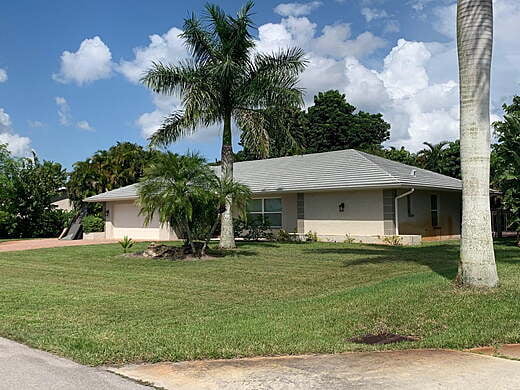
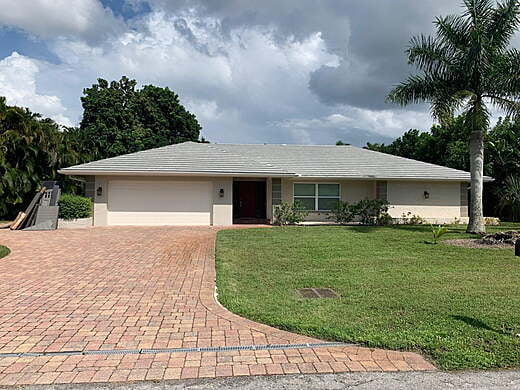
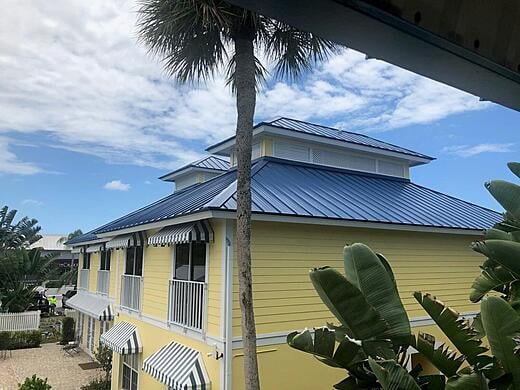
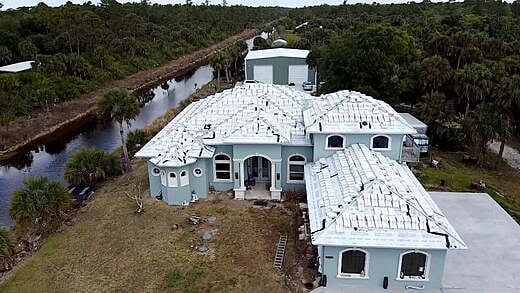
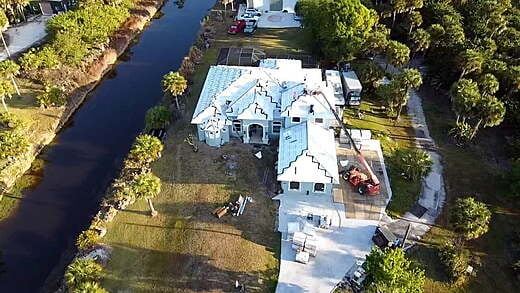
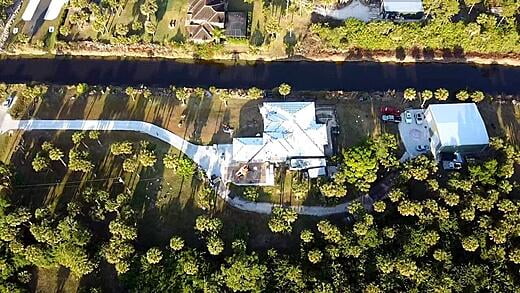
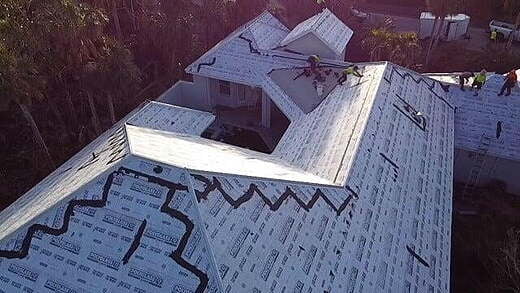
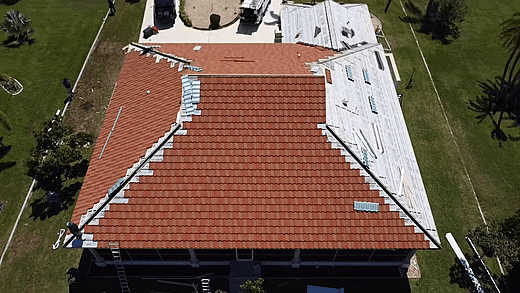
A look at tile roofing projects completed by Reliable Roofing of Florida across Miami, Fort Lauderdale, Tampa, Naples, and surrounding Florida communities.
Tile Roofing Across Miami, Tampa & Surrounding Florida Areas
Reliable Roofing of Florida serves tile roofing clients across South Florida, Tampa Bay, and Southwest Florida. Service availability may vary by location, project type, and schedule.
Service availability may vary by location, project type, schedule, and weather conditions. Contact us to confirm coverage for your area.
More Roofing Services From Reliable Roofing Of Florida
Tile Roofing Questions Florida Homeowners Ask
Yes. Tile roof repair may include replacing broken or missing tiles, repairing flashing, addressing ridge or hip cap issues, locating leaks, and evaluating the underlayment below the tile.
Tile roof replacement may be recommended when there are multiple leaks, widespread underlayment failure, extensive storm damage, aging materials, or repeated repairs that no longer make financial sense.
Reliable Roofing of Florida works on clay tile, concrete tile, barrel tile, flat tile, S-tile, mitered tile, and related tile roofing systems.
Yes. Tile roofs can leak because of failed underlayment, flashing problems, valleys, penetrations, ridge cap issues, or hidden storm damage even when the visible tile still looks good.
Yes. A tile roof inspection can include visible underlayment concerns where accessible, along with flashing, valleys, tile condition, penetrations, ridge caps, and other leak-prone areas.
Yes. Homeowners can request a free tile roof inspection to understand the condition of their roof and get honest repair or replacement recommendations.
Yes. Reliable Roofing of Florida can inspect visible storm-related tile roof damage and provide photos, findings, and repair or replacement recommendations.
Reliable Roofing of Florida serves Miami, Tampa, Fort Lauderdale, Naples, Sarasota, and surrounding Florida communities. Service availability may vary by location, project type, schedule, and weather.
Know What Your Tile Roof Needs Before The Next Storm
Get a clear tile roof inspection, photos, findings, and honest next steps before small issues become expensive Florida roofing problems.